Courtyard Garden Gardeners Near Regents Park Euston: Practical Help for Compact Outdoor Spaces
If you are looking for courtyard garden gardeners near Regents Park Euston, you are probably dealing with a space that is small, visible, and a bit unforgiving. Courtyard gardens can be beautiful, but they also show every missed pruning cut, every tired plant, and every patch of moss after a damp spell. The good news? With the right approach, even a tight London courtyard can feel calm, polished, and surprisingly spacious.
This guide explains what courtyard garden care really involves, how local gardeners typically handle it, and what to look for if you want a tidy, long-lasting result rather than a quick cosmetic fix. We will cover practical maintenance, common mistakes, best practices, and a realistic way to judge value. No fluff. Just the kind of detail that helps when the paving is slippery, the shade is deep, and the whole space needs to work hard year-round.
Table of Contents
- Why Courtyard garden gardeners near Regents Park Euston Matters
- How Courtyard garden gardeners near Regents Park Euston Works
- Key Benefits and Practical Advantages
- Who This Is For and When It Makes Sense
- Step-by-Step Guidance
- Expert Tips for Better Results
- Common Mistakes to Avoid
- Tools, Resources and Recommendations
- Law, Compliance, Standards, or Best Practice
- Options, Methods, or Comparison Table
- Case Study or Real-World Example
- Practical Checklist
- Conclusion
- Frequently Asked Questions
Why Courtyard garden gardeners near Regents Park Euston Matters
Courtyard gardens are not the same as larger front or rear gardens. They are usually enclosed, hard-landscaped, and highly exposed to detail. In places around Regent's Park and Euston, you often get a mix of shade, reflected heat, narrow access, and surrounding walls or fences that can make the space feel tucked-in. That changes the gardening job quite a bit.
A courtyard needs more than a general tidy-up. It needs proportion. It needs plants that can cope. It needs surfaces that drain properly and do not turn slimy after a few wet days. And it needs a layout that looks intentional even when the space is only a few steps wide. Truth be told, a badly managed courtyard can feel cluttered very quickly. A well-managed one? It feels like a proper room outside.
This matters because compact gardens are usually used more intensely. They may be an entrance space, a break area, a quiet sitting spot, or a visual centrepiece seen from a kitchen or office window. That means every cut, clean, and planting decision has more impact than people expect. A small mistake shows fast. So does good work.
There is also a practical side. Many local properties near central London have limited storage, awkward access, shared boundaries, and neighbours close by. That means garden work has to be efficient, considerate, and tidy from start to finish. If you want dependable results, it helps to use garden maintenance that is designed for compact urban spaces rather than a one-size-fits-all approach. You can also explore the wider services overview if you are comparing support options.
Expert summary: In a courtyard, the best gardening is often the least noisy one. Careful pruning, clean edges, good drainage, and the right planting choices usually matter more than dramatic changes.
How Courtyard garden gardeners near Regents Park Euston Works
The process is usually straightforward, but the thinking behind it should be fairly detailed. A good gardener starts by reading the space. Not just looking at the plants, but noticing light levels, foot traffic, drainage, access, and whether the courtyard is meant to feel lush, minimal, formal, or low-maintenance.
Here is how it typically works in practice:
- Initial assessment - The gardener checks what is growing well, what is failing, and what the hard landscaping is doing to the space.
- Problem identification - This might include overgrown shrubs, poor soil, blocked drainage, compacted ground, algae on paving, or weak boundary planting.
- Plan for shape and function - The courtyard is then treated as a usable outdoor room rather than a leftover corner.
- Targeted work - This may involve pruning, hedge shaping, lawn care if relevant, clearing debris, refreshing mulch, or replanting in containers and beds.
- Ongoing upkeep - Regular visits keep the space from tipping back into clutter and help seasonal changes stay manageable.
For many properties, the work also includes related tasks such as hedge trimming, lawn mowing where lawns exist, and even garden clearance when a courtyard has been neglected for a while. Small space, yes. Small workload? Not always.
In our experience, courtyard jobs often succeed or fail on the little things: the angle of a cut, how thoroughly debris is removed from corners, whether drains are left clear, and whether the gardener respects the geometry of the space. It can sound fussy, but that is the point. Courtyards are fussy. That is what makes them lovely.
Key Benefits and Practical Advantages
There are plenty of reasons people invest in professional courtyard garden care, and most of them are practical first, aesthetic second. The two go together, naturally.
- Better use of a small footprint - When space is tight, every plant and path has to earn its place.
- Cleaner appearance - Regular maintenance stops the space from looking forgotten or overfilled.
- Improved access and safety - Moss, fallen leaves, and clutter can quickly create slip or trip risks.
- Healthier planting - The right pruning and feeding rhythm helps plants cope with shade, wind, and container life.
- Stronger visual impact - A small courtyard can still feel elegant, especially when structure and texture are handled properly.
- Less stress for the owner - You are not constantly trying to catch up after months of neglect. That alone is worth a lot.
One often-overlooked benefit is resale or rental appeal. A neat courtyard makes a property feel cared for. Even if the area is compact, buyers and tenants notice it. They may not say, "Ah yes, excellent horticultural discipline," but they will feel that the property has been looked after.
Maintenance can also save money over time. Regular shaping and small interventions are usually less costly than allowing shrubs to become woody, surfaces to become clogged, or planting schemes to collapse. It is a bit like servicing a bicycle instead of waiting for the chain to snap. Less dramatic. Far better.
Who This Is For and When It Makes Sense
Courtyard garden gardeners near Regents Park Euston are a good fit for a wide range of people. Some have elegant private courtyards behind townhouses. Others manage shared building entrances, mews-style spaces, small office gardens, or basement-level outdoor areas that struggle with light. The needs vary, but the pattern is similar: the space is small, prominent, and not easy to keep on top of alone.
This kind of service makes sense if you:
- want a courtyard that looks tidy all year, not just after one big clear-up
- have plants that are surviving but not thriving
- need help with pruning, shaping, and seasonal tidy-ups
- are dealing with awkward access or limited time
- prefer a structured maintenance plan rather than reactive work
- have a courtyard used by guests, tenants, or customers
It also makes sense if you are unsure what to plant. Courtyards can trick people into buying plants that look good in the nursery but fail in shade, wind, or container conditions. A good gardener will usually steer you towards practical choices that can actually survive the site. Sensible, not glamorous. But sensible wins.
If you are thinking beyond maintenance and want to reshape the whole space, services like landscape gardening or landscaping may be more appropriate than simple upkeep. That distinction matters. Maintenance keeps things working; landscaping changes the underlying design.
Step-by-Step Guidance
If you are planning to brief a gardener, or simply want to understand the work properly, this is the easiest way to think about it.
- Walk the space slowly
Look for shade patterns, damp patches, moss, dead growth, and anything that blocks movement. Morning light and afternoon light can feel very different in a courtyard, especially in London where buildings throw long shadows. - Define the purpose
Ask what the courtyard should do. Is it for sitting, displaying plants, welcoming visitors, or simply looking calm from inside? If the purpose is unclear, the design gets muddled very quickly. - Sort the structure first
Hard surfaces, edges, boundaries, and drainage should be reviewed before flowers and foliage. A courtyard with poor flow will always feel off, no matter how pretty the planting is. - Remove what is failing
Dead stems, diseased material, broken pots, and overcrowded growth need to go. This is where a proper tidy-up creates immediate breathing space. - Prune with restraint
Courtyard plants often look best when they are shaped, not hacked. Gentle, clean pruning usually beats overcutting. Every time. - Add containers or planting only where they support the layout
Don't fill every gap. Negative space is useful. It helps a small courtyard feel larger and calmer. - Finish with a maintenance rhythm
Agree how often the space should be checked, trimmed, watered, and refreshed. A one-off visit may improve the look, but regular care keeps it there.
A small tip that sounds obvious but really isn't: take photos before and after, or at least before each major change. Not for show. For judgement. Courtyards can look different by season, and photos help you remember what actually works.
Expert Tips for Better Results
Here are the things that tend to separate a decent courtyard from a genuinely good one.
- Use fewer plant varieties, but use them well. Repetition creates calm. A courtyard stuffed with too many species can feel busy in the wrong way.
- Choose pots that suit the scale. Tiny pots can look lost. Oversized ones can dominate. The sweet spot is balance.
- Think in layers. A mix of evergreen structure, seasonal colour, and textural planting usually works better than relying on one flashy feature.
- Watch moisture carefully. Courtyards can be odd: sometimes they are too dry because of shelter, and sometimes they stay damp because airflow is poor. Neither is ideal.
- Keep edges crisp. Clean lines make a small space feel intentional. It sounds minor, but it changes everything.
- Don't ignore the surfaces. Paving, gravel, decking, and joints all influence the feel of the garden. If the hard landscaping is grimy, the whole space feels tired.
- Build a maintenance calendar. Seasonal pruning, feeding, and cleanup matter more in enclosed spaces than people expect.
One more thing: courtyard work is often best done with a light touch and a sharp eye. Not everything needs to be redesigned. Sometimes a better structure and cleaner upkeep are enough. Honestly, that is often the win.
If your courtyard includes timber or built elements, it may be worth looking at decking services as part of a wider improvement plan. The point is not to add more stuff. The point is to make the whole space feel coherent.
Common Mistakes to Avoid
A lot of courtyard problems come from enthusiasm, which is fair enough. People want the space to feel full and lively. But small gardens punish poor decisions quickly.
- Overplanting - Too many plants crowd the courtyard and create maintenance headaches.
- Ignoring drainage - Water sitting around paving or containers leads to algae, root stress, and a generally unpleasant feel.
- Using the wrong plants for shade - A plant that loves sun will not magically adapt because you have high hopes.
- Cutting shrubs too hard - Severe pruning can leave a courtyard looking bare and awkward for months.
- Forgetting access constraints - Materials, waste, and tools need to move in and out cleanly, especially in central London properties.
- Neglecting regular maintenance - Courtyards go from "neat" to "slightly messy" to "how did this happen?" faster than larger gardens.
There is also the classic mistake of chasing trends instead of suitability. A courtyard doesn't need every fashionable plant on the internet. It needs plants that work in its light, soil, and layout. That is less exciting in a brochure. Much better in real life.
Tools, Resources and Recommendations
Good courtyard work usually relies on simple tools used carefully. You do not need a van full of gadgets to make a small garden look excellent. In fact, too many tools can be a distraction.
Useful items often include:
- sharp secateurs for precise pruning
- long-handled shears for shaping shrubs
- leaf rakes and hand brushes for cleaning corners
- a pressure-aware cleaning approach for hard surfaces, used with care
- quality compost or top dressing where planting needs refreshing
- sturdy gloves and waste bags for a neat finish
If the courtyard has become heavily cluttered, a proper garden clearance may be the most practical starting point. Once the space is reset, maintenance becomes much easier. That is often the turning point.
For clients who want less guesswork and more structure, the most helpful resources are usually not glossy plant guides. They are practical service pages, a clear quote process, and a company that explains what is included and what is not. You can review pricing and quotes and check the company background on the about us page to get a feel for how they work. That little bit of homework helps, and saves awkward conversations later.
It is also sensible to consider waste handling and sustainability. Even in a small courtyard, a lot of cut material can come out of a tidy-up. If you care about disposal methods, the recycling and sustainability page is worth a look.
Law, Compliance, Standards, or Best Practice
Courtyard gardening is not usually a heavily regulated activity, but there are still sensible standards to follow. If work involves ladders, power tools, tree work, or waste removal, the gardener should use safe working practices and avoid shortcuts that put people or property at risk.
In a London setting, there are a few practical things to keep in mind:
- Noise and neighbour awareness - Small spaces can carry sound. A considerate approach matters.
- Access and housekeeping - Shared entrances and communal areas should be kept clear and safe.
- Waste handling - Cuttings, soil, and debris should be removed properly, not left in a corner to "deal with later".
- Tree or large shrub work - Anything substantial should be treated carefully, and if specialist removal is needed, a trained service is the safer route.
If a job involves more than routine trimming, it is sensible to ask about insurance and safety arrangements. A professional provider should be able to explain how they work safely, especially where tools, sharp edges, slippery paving, or access restrictions are involved. You can look at insurance and safety and the health and safety policy for the kind of transparency you should expect. That sort of reassurance is not boring. It is useful.
For service terms, cancellation expectations, and what happens if access is difficult on the day, the terms and conditions page is a sensible reference point. Not glamorous reading, admittedly. But then neither is being surprised by an extra charge.
Options, Methods, or Comparison Table
There is more than one way to care for a courtyard. The right choice depends on what shape the space is in and what you want from it.
| Approach | Best for | Strengths | Limitations |
|---|---|---|---|
| One-off tidy-up | Overgrown or neglected courtyards | Fast visual improvement, clears the reset point | Does not maintain results for long without follow-up |
| Regular maintenance | Courtyards that already function well | Consistent appearance, fewer big problems, easier budgeting | Needs a schedule and ongoing commitment |
| Redesign or landscaping | Spaces with poor layout or tired structure | Improves long-term usability, can fix underlying issues | More involved, sometimes more disruptive |
| Planting refresh only | Courtyards with decent bones but weak planting | Quick uplift, simpler than full redesign | Won't solve drainage or access issues |
In many real-world cases, the best result comes from combining methods. For example, a courtyard might need a clear-out first, then maintenance, then a small planting update. That is often the most realistic path. Clean it, shape it, then improve it. Simple enough, though not always easy.
Case Study or Real-World Example
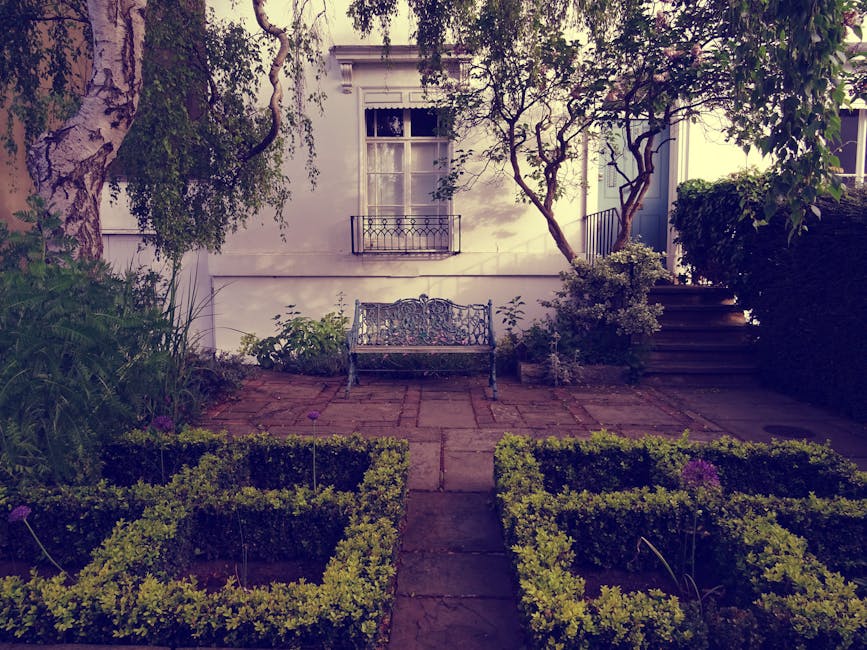
Imagine a small courtyard behind a Victorian-style property near Regent's Park Euston. The paving has a film of algae. A couple of shrubs have grown leggy and are blocking light. There are three pots, all a bit different, and the space feels more like storage than a place to sit. Nothing dramatic. Just tired.
A sensible courtyard gardening visit would start with clearing leaves, cutting back the overgrowth, and checking the drains. The cleaner would then reshape the shrubs lightly, remove dead material, and reduce the visual clutter. If the planting is thin, a few well-chosen container plants would be added rather than filling every gap. Maybe one evergreen for structure, one flowering plant for seasonal lift, and a textural grass or fern for softness. Not too much. Just enough.
After that, the space would likely feel noticeably better. You would probably see the paving more clearly, hear less rustle from overgrown branches brushing the wall, and notice how the courtyard reads as a proper room again. That kind of change can feel small from a distance, but in daily life it matters a lot. Especially if you open the door to it every morning with coffee in hand and a slightly sceptical expression.
If the property also needed boundary shaping or larger maintenance, the gardener might suggest adding garden maintenance or, for more demanding work, a broader landscape gardening plan. The point is matching the level of service to the actual condition of the space, not overselling what is needed.
Practical Checklist
Use this checklist if you are preparing for a courtyard visit or assessing whether the space is being kept in good shape.
- Have the main use of the courtyard been clearly defined?
- Are the plants suitable for the light, shelter, and container conditions?
- Are paving and edges clean and safe to walk on?
- Is drainage working properly after rain?
- Have dead, damaged, or overcrowded plants been removed or reduced?
- Is there enough negative space for the garden to breathe?
- Are maintenance visits scheduled often enough to prevent buildup?
- Is waste being removed neatly and responsibly?
- Have access issues, neighbour concerns, and working hours been considered?
- Does the finished space feel balanced rather than simply full?
Quick takeaway: if you can answer "yes" to most of those, your courtyard is probably on the right track.
And if not, that is fine too. Most courtyards need a bit of sorting before they start behaving themselves.
Get a free quote today and see how much you can save.
Conclusion
Courtyard garden care is really about making a small space work beautifully without fighting its nature. The best gardeners near Regent's Park Euston understand that these gardens need precision, restraint, and a practical eye. They are part planting, part hard-landscape maintenance, part choreography. A little bit of everything, really.
If your courtyard feels cramped, overgrown, damp, or simply neglected, the right help can change it quickly and sensibly. Start with the structure, keep the planting suited to the space, and remember that regular upkeep matters more here than in many larger gardens. That is the quiet truth of it.
For further detail on the company, working approach, and related services, you can review the services overview and the contact us page when you are ready to talk through the job. A short conversation is often enough to see what the courtyard really needs.
Small gardens can do big things. Sometimes all they need is the right hand on the tools and a bit of care done properly.
Frequently Asked Questions
What do courtyard garden gardeners near Regents Park Euston usually do?
They typically handle pruning, planting care, tidy-ups, weed control, surface cleaning, container refreshes, and ongoing maintenance. In smaller spaces, the focus is usually on keeping the courtyard neat, balanced, and easy to use rather than making dramatic changes every visit.
How often should a courtyard garden be maintained?
It depends on the planting and how the space is used, but many courtyards benefit from regular attention rather than occasional rescue work. A monthly or seasonal schedule is common for low-maintenance spaces, while more planted or high-traffic courtyards may need more frequent checks.
Is a courtyard garden harder to maintain than a larger garden?
In some ways, yes. Small spaces can be more demanding because every issue is visible. A few dead stems, some moss, or one overgrown shrub can quickly dominate the whole look. The upside is that small jobs can also make a big difference very quickly.
Can a courtyard garden be made low-maintenance?
Absolutely. The trick is to choose the right plants, limit variety, and keep the structure simple. Evergreen planting, good drainage, and well-sized containers usually help. Too much variety often leads to more work, not less.
What if the courtyard gets very little sunlight?
That is common in central London courtyards. Shade-tolerant plants, careful watering, and the right soil mix become important. A good gardener will work with the light available instead of fighting it. Sometimes a small adjustment to layout makes the space feel much brighter too.
Do I need garden clearance before maintenance starts?
If the courtyard is heavily cluttered or overgrown, yes, a clearance stage often makes sense first. It gives the gardener a clean starting point. Once the space is reset, ongoing maintenance becomes much easier and usually more cost-effective.
Can gardeners help with drainage problems in a courtyard?
They can often identify surface drainage issues, blocked gaps, or conditions that make water sit around too long. If the problem is more structural, they may recommend further landscaping work. It is best to treat drainage early, before algae and damp become a regular annoyance.
How do I choose between maintenance and landscaping?
Choose maintenance if the courtyard is basically sound but just needs tidying, pruning, and regular care. Choose landscaping if the layout, surfaces, or planting scheme itself needs changing. One keeps the space in shape; the other rethinks the space.
Are courtyard garden jobs disruptive?
They usually do not have to be. In compact areas, good planning matters. A considerate gardener will work tidily, minimise mess, and respect access needs. That is especially important where neighbours are close or the courtyard is part of a shared building.
What should I ask before booking courtyard garden work?
Ask what is included, how waste is handled, whether the team is insured, what the schedule looks like, and whether the quote is for a one-off or ongoing service. It also helps to explain your main goal clearly: tidy-up, maintenance, planting refresh, or a more complete redesign.
How do I know if my courtyard is getting too cluttered?
If movement feels awkward, the plants are hiding the structure, or you keep noticing the same overgrown spots, it is probably time for attention. A courtyard should feel deliberate, not squeezed. If you hesitate before stepping outside because the space feels messy, that is usually a sign.
Can small courtyards still look stylish?
Yes, very much so. In fact, some of the most attractive gardens in London are small courtyards with strong structure and disciplined planting. A restrained layout, good containers, and regular care can create a really elegant effect. Quietly stylish. No shouting required.