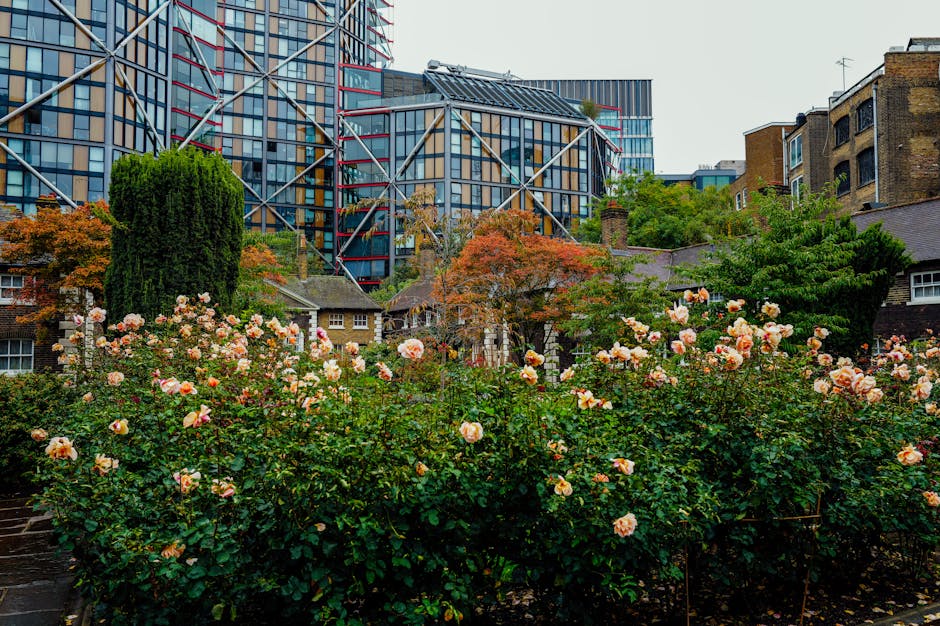
Garden maintenance for NW1 flats on Torrington Place: a practical guide for tidy, healthy shared outdoor spaces
If you live in a flat on Torrington Place, you already know the outdoor space can make a big difference. A small courtyard, shared planting area, balcony edge, or tucked-away communal garden can either feel calm and cared for, or tired and neglected. Garden maintenance for NW1 flats on Torrington Place is really about keeping that space safe, attractive, and easy to use without creating extra hassle for residents, landlords, or managing agents.
In a busy part of London like NW1, gardens and planted areas need a different approach from a typical suburban lawn. Space is tighter, access can be awkward, neighbours are close by, and the wrong maintenance routine can quickly turn into overgrown pots, blocked drains, or cluttered communal corners. This guide walks through how it works, what good maintenance looks like, and how to make sensible decisions for flats on Torrington Place. Nothing fancy, just the kind of steady, practical advice that actually helps.
Table of Contents
- Why Garden maintenance for NW1 flats on Torrington Place Matters
- How Garden maintenance for NW1 flats on Torrington Place Works
- Key Benefits and Practical Advantages
- Who This Is For and When It Makes Sense
- Step-by-Step Guidance
- Expert Tips for Better Results
- Common Mistakes to Avoid
- Tools, Resources and Recommendations
- Law, Compliance, Standards, or Best Practice
- Options, Methods, or Comparison Table
- Case Study or Real-World Example
- Practical Checklist
- Conclusion
- Frequently Asked Questions
Why Garden maintenance for NW1 flats on Torrington Place Matters
Outdoor space attached to flats is often shared, visible, and lightly used until something goes wrong. Then everyone notices. A few skipped visits might not sound like much, but in a London courtyard or small communal garden, weeds can spread quickly, leaves can block gullies, and compacted soil can make planting beds look miserable by early spring. Honestly, the space can go from presentable to patchy faster than people expect.
For flats on Torrington Place, maintenance matters for a few practical reasons. First, it protects the look and feel of the building. A neat garden creates a calmer arrival experience, which matters in residential blocks where first impressions count. Second, it reduces safety issues. Wet leaves on paving, broken branches, overflowing planters, and hidden trip hazards all create avoidable risk. Third, it supports the long-term health of plants, soil, and hard landscaping, so you are not constantly paying to rescue things that were allowed to deteriorate.
There is also a neighbourly element. Shared outdoor areas can become a point of friction if one person is doing everything and another feels nothing is being done. Clear maintenance routines reduce that tension. They make it easier to agree on standards, frequency, and priorities, which is especially useful in smaller NW1 blocks where everyone tends to know exactly who left the bin lid open. It sounds trivial, but small shared-space details do shape how people feel about the whole building.
Expert summary: good garden maintenance in a flat setting is less about constant heavy work and more about regular, well-timed care. In compact London spaces, consistency beats occasional heroic effort every time.
How Garden maintenance for NW1 flats on Torrington Place Works
Good maintenance usually starts with a simple site check. What exactly needs attention? Is it planting beds, containers, hedges, paving edges, seasonal colour, drainage, or all of the above? In flats, the answer is often a mix. A maintenance plan should reflect the site, not a generic checklist copied from somewhere else.
In practice, the work often falls into three layers. There is routine upkeep, seasonal work, and occasional corrective work. Routine upkeep covers things like sweeping, deadheading, light pruning, watering, and litter removal. Seasonal work might include spring planting, autumn leaf clearance, cutting back perennials, or refreshing mulch. Corrective work is the less glamorous bit: dealing with poor soil, replacing plants that have failed, restoring edging, or clearing areas that were allowed to go wild. Not glamorous, but necessary.
For communal spaces, maintenance should also account for access. Can equipment be carried through internal hallways? Is there side access? Are there noise restrictions, narrow gates, or resident time preferences? On busy streets and in compact blocks, these little details matter more than people think. A team can only work efficiently if they can reach the space without disturbing everyone else or creating mess on the way in and out.
If you are comparing providers, it helps to look beyond the headline service. Ask how they approach waste removal, safety checks, plant replacement, and communication. A proper provider should be able to explain their process clearly and point you to relevant information such as the available garden and maintenance services, their health and safety approach, and how they handle recycling and sustainability. That sort of clarity is usually a good sign.
Key Benefits and Practical Advantages
There are obvious visual benefits to maintaining a flat garden, but the real value goes deeper. A well-kept shared outdoor area often saves time, lowers stress, and reduces the chance of expensive fixes later. It also makes the building more pleasant to live in. Let's face it, a patch of green outside the window can soften a lot of London noise.
- Better curb appeal: tidy planting, clean edges, and healthy growth make the whole property look cared for.
- Lower repair risk: regular checks help catch drainage blockages, broken planters, and plant dieback before they spread.
- Safer shared spaces: swept paving, trimmed growth, and clear walkways reduce slip and trip hazards.
- More reliable plant health: the right pruning and feeding at the right time keeps plants from becoming straggly or stressed.
- Less resident conflict: a defined routine makes expectations clearer for everyone.
- Better use of small spaces: compact NW1 gardens can feel much bigger when they are well arranged and not overcrowded.
There is also a subtle wellbeing benefit. A green space does not need to be grand to make a difference. Even a modest courtyard with a few structured shrubs, seasonal flowers, and clean paving can feel like a small reset after a hectic day. You notice it most on a grey morning, or in that odd still moment between 7 and 8 pm when the street quietens down.
Who This Is For and When It Makes Sense
Garden maintenance for NW1 flats on Torrington Place makes sense for a wide range of property setups. It is not only for luxury blocks or larger developments. In fact, smaller flats often benefit even more because they have less margin for neglect.
This kind of maintenance is typically relevant for:
- freeholders and landlords with small external spaces
- managing agents responsible for communal grounds
- leaseholders who share responsibility for a courtyard or garden
- residential blocks with planters, roof terraces, or small planted borders
- ground-floor flats with private or semi-private gardens
- blocks where residents want a regular upkeep schedule without doing the work themselves
It tends to be most worthwhile when the space is used by multiple people, visible from entrances or windows, or difficult to maintain consistently with resident effort alone. If you are already noticing weeds between slabs, plants leaning into paths, or pots drying out every time the weather turns warm, that is usually the moment to set up a proper plan. Waiting until everything looks stressed just makes the job harder. And more expensive, usually.
Step-by-Step Guidance
If you want a sensible maintenance routine for a flat garden or communal outdoor area, start simple. A strong system beats a complicated one that nobody follows.
- Assess the space properly. Walk the area and note what is planted, what is paved, where water collects, and what causes friction for residents.
- Separate routine work from seasonal work. Daily litter picks and weekly tidying are different from pruning, mulching, or replanting.
- Set the maintenance frequency. A small courtyard might need fortnightly visits in winter and weekly attention in spring and summer.
- Define responsibilities. Decide who handles access, resident notice, waste removal, and approvals for plant replacements.
- Prioritise safety and access. Keep entrances, steps, and walkways clear, especially after wet weather or leaf fall.
- Deal with plant health early. Remove dead stems, cut back diseased material, and water consistently during dry periods.
- Track what was done. A simple record helps avoid confusion and makes it easier to spot patterns over time.
- Review the plan each season. What worked in spring might not work in late autumn, and that is perfectly normal.
A useful way to think about it is this: if a task keeps getting repeated every two weeks, it probably belongs in the routine plan. If it only happens a few times a year, it is seasonal. Simple, but effective. No need to overcomplicate it.
A practical example of the routine
For a compact NW1 communal garden, a typical visit might include a quick sweep of paths, checking pots for dryness, deadheading spent flowers, trimming back any growth blocking access, and removing leaves from corners or drains. Every so often, the team may also top up mulch, reshape shrubs, or replace a tired plant that is no longer pulling its weight. That is the sort of steady rhythm that keeps the space looking cared for without constant disruption.
Expert Tips for Better Results
Over the years, the gardens that stay in the best shape are rarely the ones with the fanciest planting. They are the ones with a clear plan and a bit of discipline. A few small habits make a big difference.
- Use plants that suit the site. Shadier courtyards, windy balconies, and enclosed spaces all behave differently. Pick plants for the conditions, not just the look.
- Keep a layered planting structure. A mix of evergreen structure, seasonal interest, and simple ground cover usually ages better than a crowded mix of short-lived colour.
- Mulch where possible. It helps retain moisture and suppress weeds, which is especially useful in raised beds and containers.
- Check drainage after heavy rain. In London, standing water is often a sign that the problem is about flow, not just rainfall.
- Prune lightly and regularly. Hard cutting can shock plants, while light, timely pruning usually keeps growth compact and healthier.
- Communicate before major changes. Replacing planting schemes or removing mature shrubs without warning can annoy residents. Fair enough, really.
One small but useful habit is to take photographs at the end of each visit. It sounds obvious, but those pictures help with accountability, planning, and before-and-after comparisons when you are deciding what to improve next. Also, if someone later says, "That bed never gets touched," you have a quiet little record. Helpful.
Another tip: keep a shortlist of "tired but not urgent" issues. A cracked pot, a sparse patch of soil, or a shrub that needs reshaping does not always require immediate action, but it should not be forgotten either. Those tiny repairs often determine whether the space feels cared for or merely tolerated.
Common Mistakes to Avoid
Most problems in flat gardens come from inconsistency rather than bad intentions. The space is either left too long, overworked at the wrong time, or changed without enough thought. That is the pattern. Always.
- Ignoring seasonal timing: pruning too early or too late can reduce flowering and weaken plants.
- Overwatering containers: pots on sheltered terraces can still suffer from waterlogging if drainage is poor.
- Using the wrong plants: delicate species in windy or shaded NW1 spaces often struggle.
- Leaving leaf buildup: wet leaves on paving become slippery and can smother planting beds.
- Skipping waste removal: piles of cuttings and debris make the site look unfinished and can attract pests.
- Not planning access: a good maintenance job can still annoy residents if entry, timing, and noise are not considered.
- Over-designing small spaces: too many species, pots, and decorative extras can make a compact garden look cluttered rather than welcoming.
Truth be told, the biggest mistake is usually trying to do too much with too little structure. A simple, repeatable maintenance routine will nearly always outperform a dramatic one-off tidy-up.
Tools, Resources and Recommendations
You do not need a warehouse of specialist equipment to maintain a small London flat garden well. What matters is having the right tools for regular jobs and keeping them in good condition.
| Task | Useful tools | Why it helps |
|---|---|---|
| General tidying | Leaf rake, hand broom, bags, gloves | Keeps paths and corners clear without damaging planting |
| Pruning and deadheading | Secateurs, long-reach snips, small loppers | Makes regular trimming cleaner and more precise |
| Container care | Watering can, hose with care, moisture check | Helps prevent drought stress and uneven watering |
| Soil improvement | Compost, mulch, hand fork | Supports healthier roots and steadier growth |
| Safety and access | Non-slip shoes, lighting checks, debris bags | Reduces avoidable accidents in shared spaces |
Beyond tools, it helps to have a good service framework. If you are looking at professional support, the details matter: clear pricing, safe working practices, and transparent communication. Pages such as pricing and quotes, about the company, and contact options can help you assess whether a provider is a good fit. You might also want to review insurance and safety information before agreeing to any work on a shared site.
If your building cares about waste handling, the page on recycling and sustainability is also worth a look. A tidy garden should not create unnecessary waste, and clippings, cuttings, and packaging are all worth handling properly.
Law, Compliance, Standards, or Best Practice
For garden maintenance in flat developments, compliance is mostly about being sensible, safe, and well organised. Exact obligations can vary depending on ownership, lease terms, and who is responsible for the land or shared areas. That is why it is wise to check the building's arrangements rather than guess.
As a general best practice, anyone carrying out maintenance should consider:
- safe access and working methods for residents and contractors
- clear communication about timing, entry, and any temporary disruption
- proper handling of waste and cuttings
- appropriate insurance cover for work carried out on shared property
- respect for resident privacy and quiet enjoyment
Health and safety should not be an afterthought in communal settings. Wet paving, unstable containers, hand tools, and ladder use all need basic care. If you are employing a provider, it is reasonable to ask how they work safely, how they manage risk, and how complaints are handled if something goes wrong. The relevant pages on health and safety policy, terms and conditions, and complaints procedure are useful for building that trust.
For residents with access needs, it is also good practice to make sure garden paths, entrances, and shared areas remain usable. If accessibility is a concern, you can review the details on accessibility information. Small things, like keeping routes clear and avoiding sudden layout changes, can make a real difference.
Options, Methods, or Comparison Table
There is no single correct way to manage a flat garden. The best method depends on budget, site size, and how hands-on residents want to be. Here is a straightforward comparison.
| Method | Best for | Pros | Limitations |
|---|---|---|---|
| Resident-led upkeep | Very small spaces and engaged occupants | Low cost, quick decisions, flexible | Can become inconsistent; depends on availability |
| Ad hoc call-outs | Occasional tidy-ups or seasonal resets | Useful for catching up quickly | Does not always prevent decline between visits |
| Regular maintenance plan | Shared gardens and visible communal areas | Reliable, predictable, better long-term results | Needs coordination and a clear scope |
| Seasonal enhancement visits | Blocks that want occasional refreshes | Good for planting upgrades and larger tasks | May not cover routine tidying on its own |
For most NW1 flats on Torrington Place, a regular maintenance plan is the most practical option. It keeps the space under control without turning it into a project every weekend. If you only need a light tidy, a one-off visit can help. If you want the area to stay decent all year, consistency wins. Pretty much every time.
Case Study or Real-World Example
Picture a small residential block with a shared front planting area and a rear courtyard. In early spring, the space looks promising enough, but by mid-June the corner beds are full of weeds, a couple of shrubs have outgrown the path, and leaves from the previous season have gathered near the drains. Nothing dramatic. Just enough to make the place look tired.
The maintenance response is not complicated. First, the weeds are removed and the paving edges are swept clear. Next, the shrubs are lightly pruned to reopen the walkway and improve shape. Then the soil is topped with mulch to reduce future weed growth and help with moisture retention. A few container plants are replaced with varieties better suited to the shaded conditions, because the old ones kept failing and that was becoming a bit pointless.
After that, the block moves onto a simple routine: light tidying every fortnight, seasonal pruning, and one deeper refresh in autumn. The result is not a show garden. It does not need to be. But it looks cared for, it is easier to move through, and residents stop complaining about the same clump of weeds by the bin store. That alone can feel like a victory.
Practical Checklist
Use this checklist if you are planning or reviewing garden maintenance for a flat on Torrington Place.
- Inspect paths, edges, and entrances for trip hazards
- Check whether any plant is blocking access or windows
- Remove litter, fallen leaves, and loose debris
- Deadhead spent flowers and trim back straggly growth
- Water containers and planted areas appropriately
- Confirm drains and gullies are not clogged
- Review whether any shrubs need seasonal pruning
- Look for signs of pests, disease, or plant stress
- Note any damaged pots, broken edging, or failing supports
- Record what has been done and what needs follow-up
- Make sure waste is removed and the area is left tidy
- Review the next visit date before leaving site
If you can tick off most of those items consistently, the garden is probably in decent shape. If you cannot, the space may need a more regular plan rather than occasional rescue work.
Get a free quote today and see how much you can save.
Conclusion
Garden maintenance for NW1 flats on Torrington Place is about keeping shared outdoor space clean, safe, and liveable without creating needless complexity. In a dense London setting, small gardens and courtyards work best when they are simple, consistent, and looked after before problems build up. That means regular tidying, sensible planting choices, seasonal attention, and clear communication with residents or managing agents.
If you get the basics right, the space becomes one of the nicest parts of the building instead of a source of constant frustration. And that is worth a lot, honestly. A well-kept garden does not shout for attention. It just quietly makes everyday life a bit better.
When you are ready to take the next step, it helps to choose a provider who is transparent about service scope, pricing, safety, and standards. That way, the whole thing feels straightforward from the start, which is exactly how it should be.
Frequently Asked Questions
How often should garden maintenance happen for flats on Torrington Place?
It depends on the size of the space and how visible it is, but most shared flat gardens benefit from regular visits rather than occasional heavy work. Weekly or fortnightly upkeep is common for small London communal areas during the growing season.
What does garden maintenance for a flat usually include?
It often includes sweeping paths, weeding, deadheading, trimming back growth, checking plant health, watering containers, and clearing waste. Larger jobs like pruning shrubs or refreshing planting beds may happen seasonally.
Is garden maintenance different for communal gardens and private flat gardens?
Yes. Communal gardens usually need clearer planning because multiple residents share the space. Private gardens can be more flexible, but they still need regular care if you want them to stay healthy and manageable.
Can a small courtyard still need professional maintenance?
Absolutely. Small spaces can look untidy very quickly, especially in shaded or enclosed NW1 settings. In fact, compact gardens sometimes need more careful attention because there is less room for neglect to hide.
What are the most common problems in London flat gardens?
The usual issues are weeds, poor drainage, overgrown planting, leaf build-up, dry containers, and access problems. Paving can also become slippery if it is not cleared regularly.
How do I know if I need regular maintenance or just a one-off tidy-up?
If the space keeps deteriorating between visits, a regular plan is probably better. If the garden only needs a seasonal reset or a catch-up after a busy period, a one-off visit may be enough for now.
Are there safety concerns with garden maintenance in shared residential areas?
Yes, mainly around slips, trips, tool use, access, and waste handling. It is sensible to work with a provider that takes safety seriously and can explain their procedures clearly.
What should I ask before booking garden maintenance?
Ask what is included, how often visits happen, how waste is removed, whether insurance is in place, and how the provider handles access to shared areas. Clear answers at the start save headaches later.
How can I make a small flat garden look better without spending too much?
Focus on the basics: tidy edges, healthy plants, good containers, and a small number of well-chosen species. A clean, simple layout often looks better than overcrowding the space with too many features.
Do I need permission to change planting in a shared garden?
Usually, yes, if the area is communal or part of a leasehold arrangement. It is best to check with the landlord, managing agent, or whoever is responsible for the site before making changes.
What should I do with garden waste from a flat garden?
It should be removed responsibly and handled according to the building's arrangements. If sustainability matters to your building, ask how cuttings and green waste are dealt with and whether recycling practices are in place.
How do I choose a reliable garden maintenance provider?
Look for clear service descriptions, sensible communication, proper safety practices, transparent pricing, and a professional attitude. It also helps if they can explain how they work in residential settings without making a fuss about it.